印刷包裝業正從製造業轉型為價值整合及服務產業,市場要提供滿足供應鏈韌性的解決方案,尤其在法規、品質、驗證。交期上,也要對小量多樣、客製化訂單能快速反應,更要關注消費者所重視的減塑、循環包材、碳管理等永續議題。
產業的競爭力來自整合能力與穩定能力,核心將不再是設備,而是能與客戶溝通需求(材料與設計)、完整及品質穩定的製程(彈性設備與系統)。永續與材料技術將是主流議題,可回收、單一材質設計、減塑及功能性材料(阻隔、抗菌)都將是工程問題。
產業最缺的人力不是操作員,而是製程整合者(懂現場及系統)、技術型溝通者(懂客戶需求及製程)、問題解決者(可扛責任),是缺可接班、能撐住企業轉型的人才,需具備的技能包含:懂風險判斷、成本概念、跨部門溝通、抗壓及持續學習能力。
四月初台積電推出全新“領導力框架”,旨在建立可持續的人才生態系統,致力於建立成為備受推崇的雇主,並努力實現其人才願景,確保管理經驗和領導文化能夠有系統地傳承下去。這架構融合了台積電的願景、使命、價值觀和經營理念。
領導架構分為四大主題與五項關鍵行為,分別為(1)成長心態/自我修練,含勇於任事、好奇探索、虛心採納、突破逆境及恪守價值;(2)卓越致勝/技術領航,含精進技術、提高標準、關注細節、運用專業、化繁為簡;(3)以人為本/領導他人,含互信共贏、尊重同理、培養人才、多元激勵、公正待人;(4)引領未來/領導企業,含溝通願景、挑戰常規、嚴謹創新、果斷決策、成就大我。
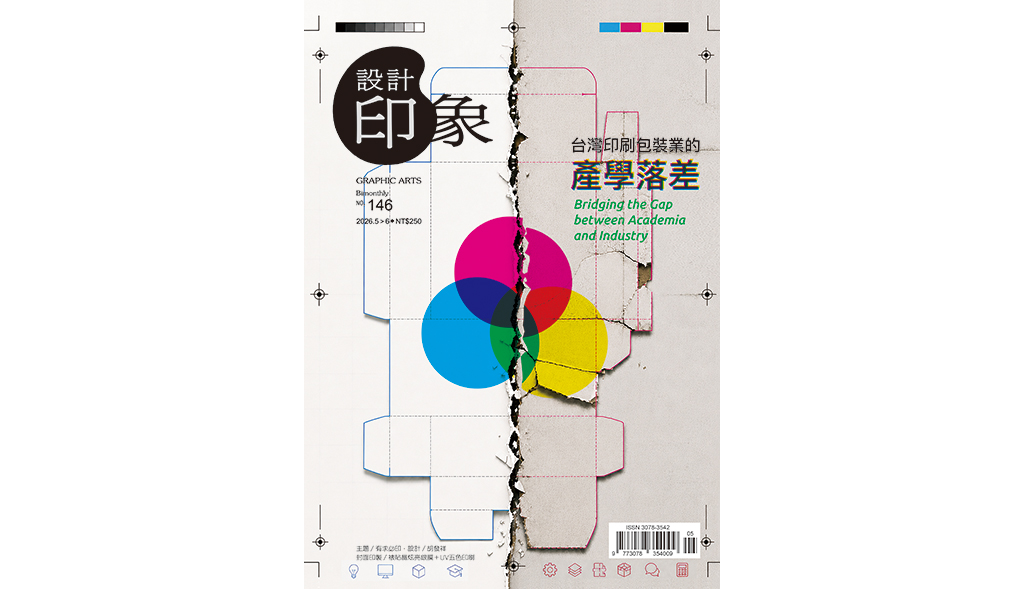
台灣印刷包裝企業的未來在人才培育,但產學落差是明顯存在的,產業要從代工轉為解決方案提供者,這問題是要面對的,也就成為這期雜誌的編輯主題。
The printing and packaging industry is transitioning from a manufacturing-oriented sector to one focused on value integration and service. The market now demands solutions that enhance supply chain resilience. In particular, an organization must meet requirements related to regulations, quality, certification, and delivery timelines, while also responding quickly to small-batch, high-variety, and customized orders. At the same time, increasing attention must be paid to sustainability issues, such as plastic reduction, recyclable packaging, and carbon management.
The competitiveness of the industry now stems from integration capability, discernment, and operational stability. The core is no longer about equipment, but rather the ability to communicate effectively with clients (including materials and design), ensure comprehensive and stable production processes (supported by flexible equipment and systems), and address sustainability and material technologies as mainstream priorities. Topics such as recyclability, mono-material design, plastic reduction, and functional materials (e.g., barrier and antibacterial properties) will increasingly become engineering challenges.
The talent most lacking in the industry is not machine operators, but process integrators (who understand both on-site operations and systems), technical communicators (who understand both customer needs and processes), and problem solvers (who can take responsibility). There is a shortage of successors and professionals who can sustain transformation. The required skill set includes risk assessment, cost awareness, cross-department communication, stress resilience, and a strong ability for continuous learning.
In early April, TSMC launches new “Leadership Framework” to enable a sustainable talent ecosystem. TSMC is committed to becoming an admired employer and is dedicated to realizing its people vision. And also ensure that our management experience and leadership culture are systematically carried forward and passed on to the next generation. The framework integrates TSMC’s vision, mission, core values, and business philosophy.
...