世界盃與AI發展競爭環境的比較
經營管理
2026-08-04

世界盃與AI發展競爭環境的比較

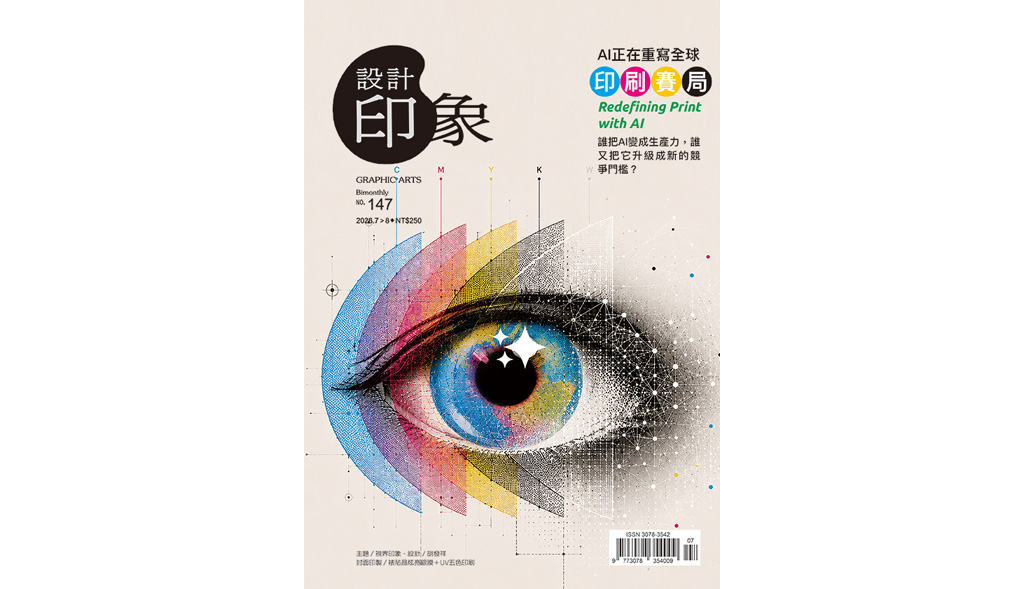
比較世界盃與人工智慧(AI)發展競賽是有許多相似之處。無論是國家隊、企業競逐AI領導地位,本質上都是人才、資源、技術與策略的全面競爭。 首先,兩者都是全球性及國家隊的競賽。世界盃匯集各國頂尖球隊,而AI領域則由OpenAI、Microsoft、Google、Anthropic、Meta及中國科技企業等共同角逐。各方都希望在國際舞台上建立領先地位,如同足球強國爭取世界冠軍一般。 其次,人才是成功的核心。在世界盃的優秀球員往往能改變比賽結果;在AI產業中,頂尖人才則是推動技術突破的關鍵,兩者都投入大量資源積極網羅人才。 第三,團隊合作比個人能力更重要。歷史上球隊奪冠,都是整體團隊協作才可達成,而AI發展也需要演算法、資料、產品、雲端與商業團隊共同協作,才可建立完整且具競爭力的AI生態系。 此外,數據的重要性在兩個領域都十分明顯。足球隊利用數據分析對手與球員表現,制定最佳戰術;AI企業則依靠大量資料訓練模型,提升準確度與效能。誰擁有更好的資料資源與分析能力,誰就更容易取得競爭優勢。 最後,快速應變能力是決勝關鍵。足球比賽中,教練必須根據場上情況即時調整戰術;AI企業也需要因應技術創新、市場需求與競爭變化快速做出調整。面對瞬息萬變的環境,反應速度往往決定成敗。 這期設計印象雜誌的主題是「AI正在重寫全球印刷賽局」,雜誌社數位總編研究全球約50家印刷包裝領導企業,搜集並閱讀超過100篇文章,洞察彙整出全球16家印刷包裝業者,如何用AI技術來驅動轉型與戰略布局。 世界盃讓我們相信,奇蹟永遠存在,只要你敢於追求就可能是贏家,台灣印刷包裝業者在AI時代,也要積極思考如何加入這賽局。 There are many similarities between the FIFA World Cup and the race to develop Artificial Intelligence (AI). Whether it is national teams competing for the World Cup or technology companies striving for AI leadership, both are fundamentally contests of talent, resources, technology, and strategy. First, both are global competitions. The World Cup brings together the best national football teams from around the world, while the AI arena is dominated by leading organizations such as OpenAI, Microsoft, Google, Anthropic, Meta, and major Chinese technology companies. All participants aim to establish leadership on the global stage, much like football powerhouses competing for the world championship. Second, talent is the key to success. Outstanding football players can change the outcome of a match, just as top AI researchers and engineers drive technological breakthroughs. In both fields, organizations invest significant resources to attract and retain the best talent. Third, teamwork is often more important than individual ability. World Cup champions are rarely built on star players alone; success depends on the collective effort of the entire team. Similarly, AI development requires close collaboration among experts in algorithms, data science, product development, cloud infrastructure, and business operations. Only through effective teamwork can organizations build a complete and competitive AI ecosystem. In addition, data plays a critical role in both fields. Football teams analyze player performance and opponents’ strengths and weaknesses to plan winning strategies. AI companies rely on vast amounts of data to train models, improve accuracy, and enhance performance. Organizations with superior data resources and analytical capabilities are more likely to gain a competitive advantage. Finally, adaptability is often the critical factor. During a football match, coaches must adjust tactics in real time based on the changing conditions on the field. Likewise, AI companies must respond quickly to technological innovation, market demands, and competitive pressures. In a rapidly changing environment, the ability to adapt quickly may lead to long-term success. The theme of this issue of Graphic Arts Magazine is “AI Is Rewriting the Global Printing Landscape.” The Digital Editor-in-Chief reviewed more than 100 articles and studied approximately 50 leading printing and packaging companies worldwide. This research identified 16 global printing and packaging leaders that are using AI technologies to drive transformation and shape their strategic direction. The World Cup reminds us that miracles are always possible and that those who dare to pursue excellence become winners. In the AI era, Taiwan’s printing and packaging industry should also actively consider how to participate in this new competitive arena and leverage emerging opportunities to accelerate growth and innovation.
『設計印象雜誌』
橫跨造紙、印刷、包裝、出版及設計等領域的專業媒體,兩個月發行一期紙本雜誌,網站不定期更新
世界盃與AI發展競爭環境的比較
經營管理
2026-08-04

世界盃與AI發展競爭環境的比較

比較世界盃與人工智慧(AI)發展競賽是有許多相似之處。無論是國家隊、企業競逐AI領導地位,本質上都是人才、資源、技術與策略的全面競爭。 首先,兩者都是全球性及國家隊的競賽。世界盃匯集各國頂尖球隊,而AI領域則由OpenAI、Microsoft、Google、Anthropic、Meta及中國科技企業等共同角逐。各方都希望在國際舞台上建立領先地位,如同足球強國爭取世界冠軍一般。 其次,人才是成功的核心。在世界盃的優秀球員往往能改變比賽結果;在AI產業中,頂尖人才則是推動技術突破的關鍵,兩者都投入大量資源積極網羅人才。 第三,團隊合作比個人能力更重要。歷史上球隊奪冠,都是整體團隊協作才可達成,而AI發展也需要演算法、資料、產品、雲端與商業團隊共同協作,才可建立完整且具競爭力的AI生態系。 此外,數據的重要性在兩個領域都十分明顯。足球隊利用數據分析對手與球員表現,制定最佳戰術;AI企業則依靠大量資料訓練模型,提升準確度與效能。誰擁有更好的資料資源與分析能力,誰就更容易取得競爭優勢。 最後,快速應變能力是決勝關鍵。足球比賽中,教練必須根據場上情況即時調整戰術;AI企業也需要因應技術創新、市場需求與競爭變化快速做出調整。面對瞬息萬變的環境,反應速度往往決定成敗。 這期設計印象雜誌的主題是「AI正在重寫全球印刷賽局」,雜誌社數位總編研究全球約50家印刷包裝領導企業,搜集並閱讀超過100篇文章,洞察彙整出全球16家印刷包裝業者,如何用AI技術來驅動轉型與戰略布局。 世界盃讓我們相信,奇蹟永遠存在,只要你敢於追求就可能是贏家,台灣印刷包裝業者在AI時代,也要積極思考如何加入這賽局。 There are many similarities between the FIFA World Cup and the race to develop Artificial Intelligence (AI). Whether it is national teams competing for the World Cup or technology companies striving for AI leadership, both are fundamentally contests of talent, resources, technology, and strategy. First, both are global competitions. The World Cup brings together the best national football teams from around the world, while the AI arena is dominated by leading organizations such as OpenAI, Microsoft, Google, Anthropic, Meta, and major Chinese technology companies. All participants aim to establish leadership on the global stage, much like football powerhouses competing for the world championship. Second, talent is the key to success. Outstanding football players can change the outcome of a match, just as top AI researchers and engineers drive technological breakthroughs. In both fields, organizations invest significant resources to attract and retain the best talent. Third, teamwork is often more important than individual ability. World Cup champions are rarely built on star players alone; success depends on the collective effort of the entire team. Similarly, AI development requires close collaboration among experts in algorithms, data science, product development, cloud infrastructure, and business operations. Only through effective teamwork can organizations build a complete and competitive AI ecosystem. In addition, data plays a critical role in both fields. Football teams analyze player performance and opponents’ strengths and weaknesses to plan winning strategies. AI companies rely on vast amounts of data to train models, improve accuracy, and enhance performance. Organizations with superior data resources and analytical capabilities are more likely to gain a competitive advantage. Finally, adaptability is often the critical factor. During a football match, coaches must adjust tactics in real time based on the changing conditions on the field. Likewise, AI companies must respond quickly to technological innovation, market demands, and competitive pressures. In a rapidly changing environment, the ability to adapt quickly may lead to long-term success. The theme of this issue of Graphic Arts Magazine is “AI Is Rewriting the Global Printing Landscape.” The Digital Editor-in-Chief reviewed more than 100 articles and studied approximately 50 leading printing and packaging companies worldwide. This research identified 16 global printing and packaging leaders that are using AI technologies to drive transformation and shape their strategic direction. The World Cup reminds us that miracles are always possible and that those who dare to pursue excellence become winners. In the AI era, Taiwan’s printing and packaging industry should also actively consider how to participate in this new competitive arena and leverage emerging opportunities to accelerate growth and innovation.